
アスリートのスプリントスピードを向上するには?
Sprint × Strength × Plyometric × Phase-Specific Speed Training
Sprint Velocityとは? なぜスポーツで重要?
Sprint performanceは単純に「足を速く動かす能力」ではありません。
大きく分けると、
Acceleration
→ 静止・低速状態から素早く速度を上げる能力
Maximum Velocity
→ 高速域でより高いrunning velocityを発揮する能力
の両方から成り立ちます。¹,²
この2つは関連していますが、必要となるphysical qualitiesやtraining stimulusは完全には同じではありません。
例えば、
Basketball / Soccer / Football
- 5〜20 m程度の短いAcceleration
- Cut後のRe-Acceleration
が重要になることが多い一方、
Track Sprint / Field SportsのOpen Sprint
ではMaximum Velocityの重要性がより高くなります。
Team sportsでも、
- 相手より先にボールへ到達する
- Defensive recovery
- Breakaway sprint
- Transition play
などでsprint velocityは大きなperformance factorになります。
そのため、Sprint trainingでは単に
「速く走る練習をする」
だけではなく、
Sprint Skill
+ Horizontal Force
+ Strength
+ Explosive Power
+ Reactive / Elastic Ability
を競技とphaseに合わせて高めることが重要です。
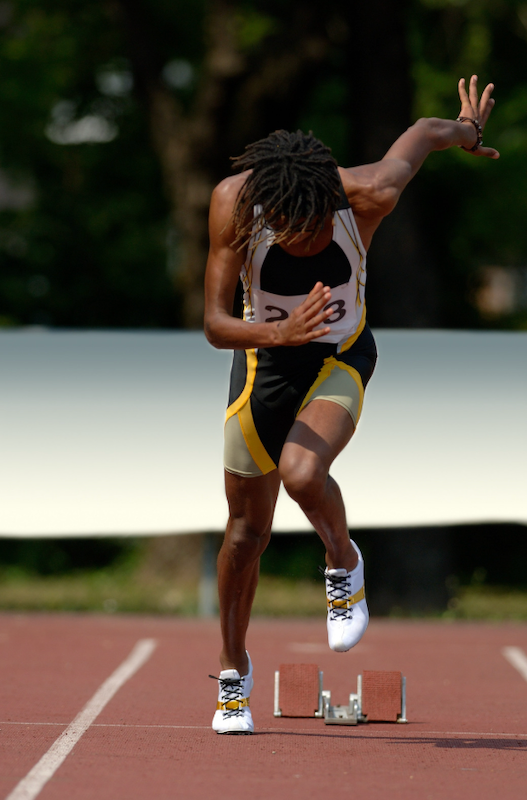
Sprint Velocity どう向上させるか
① 実際のSprint Trainingを土台にする
Sprintを速くしたいのであれば、最もspecificなtrainingは当然実際に速く走ることです。
Systematic reviewでは、specific sprint trainingは様々な距離のsprint performance改善に有効であり、strengthやplyometricなどのnon-specific trainingも有効ではあるものの、実際のsprintingを置き換えるものではありません。²,³
そのため、
Strengthを上げれば自然に速くなる
ではなく、
Strength / Powerを作る → Sprintで使う
という考え方が重要です。
② AccelerationにはResisted Sprintを使う
Accelerationでは、地面へ力を加えて身体を前方へ加速させる能力が重要です。
そのため、
- Sled Sprint
- Resisted Sprint
- Short Acceleration
などが利用されます。
Recent reviewsでは、resisted sprint trainingは特に5〜30 m程度のacceleration performanceやhorizontal force productionの改善に有効とされています。¹,⁴
ただし、resisted sprintingが常に通常のsprint trainingより大幅に優れているわけではありません。
そのため、
Unresisted Sprint + Resisted Sprint
を組み合わせる方が実践的です。
Loadは重いほど良い?
必ずしもそうではありません。
2025年の研究では、約10〜13% body massや約50% velocity decrementを生じるresistanceが、acceleration、horizontal force、maximal power改善に有効と報告されています。⁵
ただし最適loadはアスリートや目的によって変わるため、フォームが大きく崩れない範囲で調整します。
③ Maximum Velocityは高速走そのものを練習する
Maximum velocityでは、
- 短いground contact
- 高いstep frequency
- 大きなstride velocity
- High-speed force production
が必要です。
そのため、
- Flying Sprint
- Build-Up Sprint
- Maximum-Velocity Sprint
などを使用します。
Assisted sprintやdownhillなどのsupramaximal methodもstep frequencyやground-contact characteristicsへ刺激を与える可能性がありますが、個別調整が必要です。¹,⁴
一般的なアスリートでは、まず
高品質なunresisted maximum-speed sprint
を十分に行うことが優先です。
④ Strengthを高める
Sprint performanceにはlower-body force productionが必要です。
代表的なstrength exerciseとして、
- Squat
- Romanian Deadlift
- Split Squat
- Hip-dominant strength exercise
などがあります。
Evidenceでは、strength trainingは特にearly accelerationやhorizontal force productionの改善に役立つ傾向があります。²,⁶
しかしstrengthだけでsprint velocityを最大化できるわけではありません。
⑤ Plyometric / Explosive Trainingを加える
Plyometric trainingは、
- Stretch-Shortening Cycle
- Reactive strength
- Rapid force production
を高める方法です。
例:
- Pogo Jump
- Bounds
- Hurdle Hop
- Countermovement Jump
- Single-Leg Hop
Plyometric trainingはsprint performance、特にmaximum velocityやpower-related qualitiesの改善に有用とされています。⁶
したがって、
Strength → Force Capacity
Plyometric → Rapid / Reactive Force
Sprint → Sport-Specific Expression
と考えると分かりやすいです。
⑥ AccelerationとMaximum Velocityを分けて練習する
Sprintは一つの能力ではないため、
Acceleration Day
- Resisted Sprint
- Short Sprint
- Horizontal Power
と、
Maximum Velocity Day
- Build-Up
- Flying Sprint
- High-Speed Plyometric
のようにtraining emphasisを分けることも実践的です。
Athleteによって、
- Accelerationが弱い
- Top speedが弱い
- Both
とprofileが異なるためです。
⑦ Team SportではRepeated Sprintも必要
Soccer、basketball、rugbyなどでは一回だけ速く走ればよいわけではありません。
競技中には、
Sprint → Recover → Sprint Again
を繰り返します。
Repeated-sprint trainingはshort sprint performanceやoverall fitnessを改善できます。⁷
ただし、
Repeated Sprint TrainingだけでMaximum Velocity trainingを代用する
ことは避けた方がよいでしょう。
まずhigh-quality speedを作り、その後repeated sprintへ移行するのが実践的です。

シンプルな スプリントスピードアップ トレーニングプログラム
以下は、現在のエビデンスから作成した一つの実践的な例です。
- Squat
目的:
Lower-body force productionの基礎を高める。
- Romanian Deadlift
目的:
Hip extensor / posterior-chain strengthを高める。
- Split Squat
目的:
Unilateral force productionを高める。
- Countermovement Jump
目的:
Explosive lower-body powerを高める。
- Pogo Jump
目的:
Reactive stiffnessとshort ground-contact能力を高める。
- Bounds
目的:
Horizontal / elastic force productionを高める。
- Resisted Sled Acceleration
短い距離をsled resistanceを使用して加速します。
目的:
Horizontal force productionとAccelerationを高める。
- Unresisted 10–20 m Sprint
目的:
Resisted trainingで作ったforceを実際のaccelerationへtransferする。
- Build-Up Sprint
徐々に速度を高めてhigh-speed runningへ移行します。
目的:
Maximum velocity trainingへの準備。
- Flying Sprint
助走後、短い区間をmaximum velocityで走ります。
目的:
Top-speed mechanicsとhigh-speed force productionを高める。
- Optional Assisted Sprint
適切なsupervision下で、
- Assisted towing
- Mild downhill
などを使用します。
目的:
通常以上のrunning velocityへのexposure。
※必須ではありません。
- Deceleration → Re-Acceleration
目的:
Team sportで必要なspeed transitionを高める。
- Reactive Sprint
Visual / auditory / partner cueに反応してsprintします。
目的:
速度を実際のsport reactionへつなげる。
- Repeated Sprint
複数回のshort sprintをrecoveryを挟みながら行います。
目的:
競技中にspeedを繰り返し発揮する能力を高める。
- Sport-Specific Sprint
例えば、
Soccer
- Jog → accelerate
- Cut → sprint
- Defensive recovery sprint
Basketball
- Shuffle → sprint
- Transition sprint
Football
- Stance → acceleration
- Route-specific sprint
へ移行します。
Reassess
確認する項目:
- 5 m sprint
- 10 m sprint
- 20 m sprint
- Flying sprint velocity
- Acceleration split
- Maximum velocity
- Jump / bound performance
- Left-right differences
- Sprint mechanics
- Repeated-sprint performance
- Fatigue時のspeed
< Take-Home Message >
Sprint Velocityを改善する最も実践的な考え方は、
一つのエクササイズだけで速くしようとしないこと
です。
基本は、
Sprint Practice
+ Strength
+ Plyometric / Power
です。
さらに目的に応じて、
Acceleration → Resisted Sprint
Maximum Velocity → Flying / High-Speed Sprint
Team Sport → Reaction・Re-Acceleration・Repeated Sprint
を追加します。
つまり、
Build Force
↓
Develop Explosive / Reactive Power
↓
Practice Acceleration
↓
Expose the Athlete to Maximum Velocity
↓
Transfer Speed to Sport
という流れが、現在のエビデンスと整合したSprint Velocity developmentの基本です。¹⁻⁷

<PDF file>
< Reference >
- Aldrich et al. Resisted, assisted, and combined sprint training approaches for acceleration and maximum-velocity performance. 2024.
- Haugen T, Seiler S, Sandbakk Ø, Tønnessen E. The training and development of elite sprint performance: an integration of scientific and best-practice literature. Sports Med Open. 2019.
- Rumpf MC, Lockie RG, Cronin JB, Jalilvand F. Effect of different sprint training methods on sprint performance over various distances: a brief review. J Strength Cond Res. 2016.
- Myrvang M, van den Tillaar R. Resisted and assisted sprint training for acceleration and maximal sprint speed: review of current evidence. 2024.
- Cusano et al. Effects of sled-load prescription on sprint acceleration, horizontal force production, and power. 2025.
- Murphy et al. Effects of resistance and plyometric training on sprint performance and underlying force-power characteristics. 2023.
- Thurlow et al. Effects of repeated-sprint training on sprint performance and physical fitness in team-sport athletes. 2023.